
Introduction
If you have been dealing with ongoing back pain, chances are you have already heard someone recommend Pilates. It is one of the most talked-about exercise methods for posture, core strength, and better movement. But does it actually help with back pain? 🤔
The short answer is yes, Pilates can help some people with chronic non-specific low back pain, especially when the focus is on gentle core control, movement quality, and consistency. But it is not magic, and it is not the right answer for every type of back pain.
Why Core Pilates Is Often Linked to Back Pain Relief
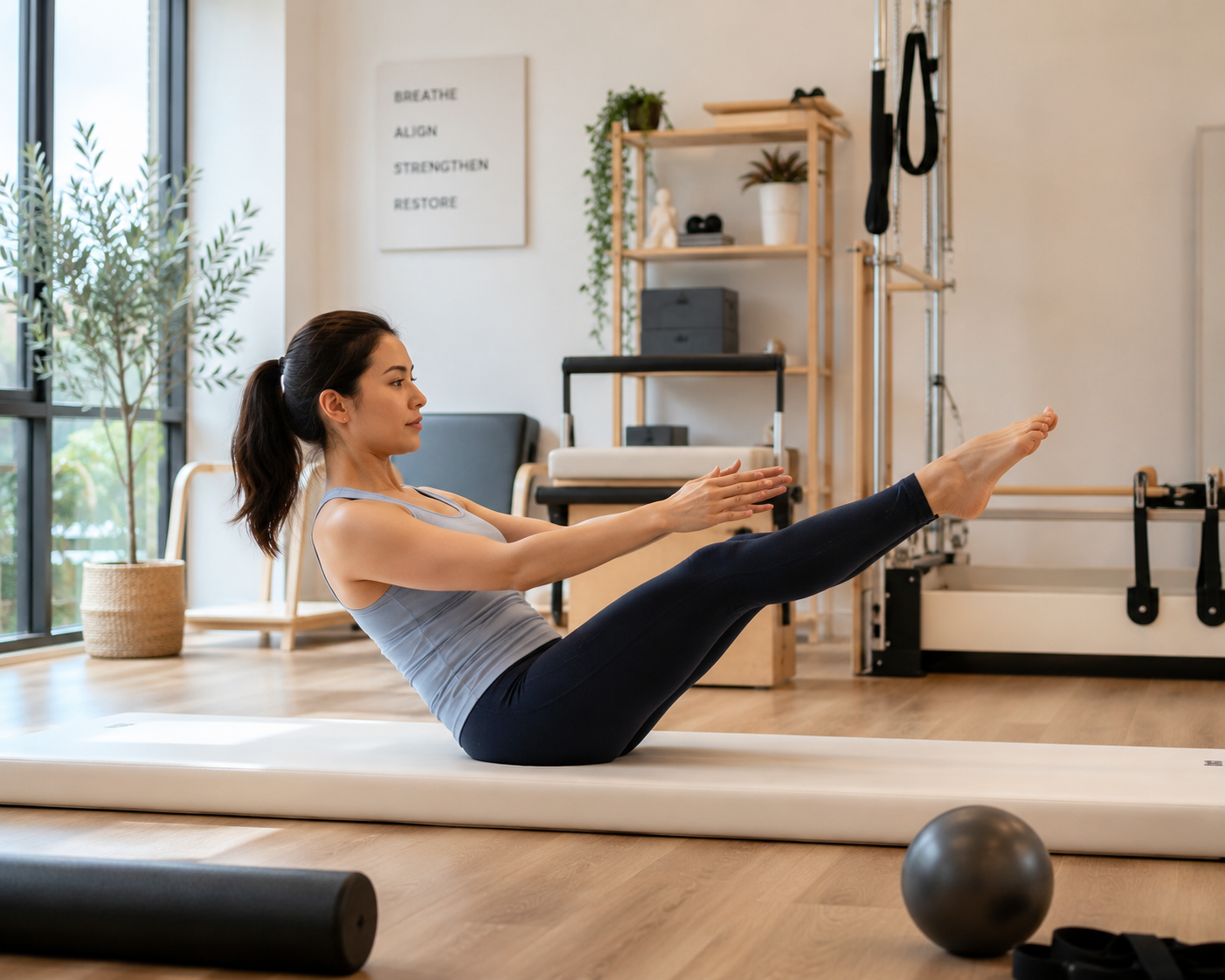
Core Pilates is often recommended because it focuses on areas that matter in back comfort and movement control.
It usually helps train:🚂
-deep abdominal support
-spinal awareness
-breathing control
-hip and pelvic stability
-smoother movement patterns
For many people, back pain is linked to stiffness, weak control, or poor movement habits. Pilates is useful because it targets several of these at once.

What the Science Says About Pilates for Back Pain
Research generally suggests that Pilates can reduce pain and improve function in people with chronic non-specific low back pain, especially compared with doing very little or no structured exercise.
At the same time, the evidence does not clearly show that Pilates is always better than every other kind of exercise. The bigger takeaway is this:
-structured exercise helps
-consistency matters
-movement quality matters
-Pilates is one useful option among several good exercise approaches
So the science is encouraging, but Pilates should be seen as a solid option, not the only answer.
Core Pilates Exercises Commonly Used for Back Pain Relief
1. Pelvic Tilt
A gentle movement that improves lower back and pelvic awareness.
2. Dead Bug
A common core control exercise that trains stability while the arms and legs move.
3. Bird Dog
Useful for balance, spinal control, and coordination.
4. Glute Bridge
Helps improve hip and pelvic support, which can reduce stress on the low back.
5. Side-Lying Leg Work or Side Plank Progressions
Often used later to build side-body and trunk stability.
The key point is simple: the best Pilates exercises for back pain are usually the controlled beginner-friendly ones, not advanced moves.

Who May Benefit Most From Pilates for Back Pain?
Pilates may be especially helpful for people who:
1. have chronic non-specific low back pain
2. feel stiff or weak during everyday movement
3. want a lower-impact exercise option
4. need to rebuild confidence in movement
5. prefer guided and structured exercise
It may be less straightforward for people whose pain is severe, highly irritable, or linked to a more specific medical cause.

When Pilates May Not Be Enough on Its Own
Pilates is not a replacement for proper medical evaluation when something more serious may be going on.
Be more cautious if back pain comes with:
-major leg weakness
-worsening numbness
-bowel or bladder changes
-unexplained fever or weight loss
-pain after major trauma
-pain that keeps getting worse
In those cases, getting assessed matters more than trying random exercises at home.
Conclusion 📌
If you are exploring core Pilates exercises for back pain relief, the evidence is encouraging, especially for chronic non-specific low back pain. Pilates can improve pain, function, and movement confidence when the exercises are chosen well and progressed gradually.
The most useful approach is usually simple: start with controlled core-focused movements, stay consistent, and make sure the plan matches the type of back pain you actually have.
FAQ ❓
1. Does Pilates really help back pain?
For many people with chronic non-specific low back pain, Pilates can help reduce pain and improve function.
2. Is Pilates better than other exercises for back pain?
Not always. Pilates can help, but it is not clearly better than every other good exercise approach.
3. Which Pilates exercises are best for back pain?
Beginner-friendly movements like pelvic tilt, dead bug, bird dog, and glute bridge are commonly used.
4. Should I do Pilates if my back pain is severe?
If your pain is severe, worsening, or comes with red-flag symptoms, it is better to get assessed first.
5. How often should I do Pilates for back pain?
That depends on your tolerance and program, but consistency usually matters more than intensity when starting out.


Leave a comment
This site is protected by hCaptcha and the hCaptcha Privacy Policy and Terms of Service apply.